
Writing on the Wall (2014)
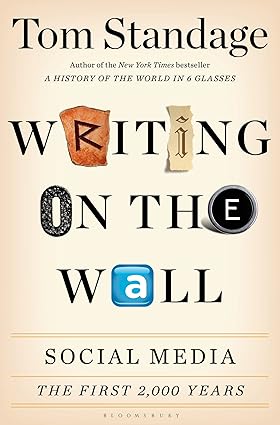
Writing on the Wall (2014)
The wall is never neutral. It is a canvas for authority, a screen for propaganda, a boundary marking inclusion and exclusion. Writing on the Wall examines how narratives are constructed, controlled, and contested in a society that claims transparency but thrives on omission. Words, images, and signals become instruments of consent—or coercion.
Media operates like paint on this wall, shaping perception and memory while obscuring structures of power. News cycles prioritize spectacle over clarity, drama over context, and noise over truth. What is left out often matters more than what is broadcast, for the absent story shapes belief as much as the visible one.
From confinement, the machinery of narrative becomes apparent. Censorship, framing, and selective coverage reveal a pattern: certain voices are amplified, others diminished. Justice is mediated, anger is curated, and history is edited to suit present authority. The wall is both literal and symbolic, separating citizens from the full measure of reality.
Writing on this wall is an act of defiance. It refuses passive consumption of curated reality and insists on critical engagement. It traces the patterns, exposes contradictions, and names what official accounts conceal. Every observation becomes a form of testimony, and every witness a participant in the reconstruction of truth.
This work interrogates the complicity of silence. When observers fail to question the narratives imposed upon them, power moves unchecked. To document, to interpret, and to resist misrepresentation is to reclaim agency. In this sense, writing is survival, clarity, and resistance rolled into one act.
Writing on the Wall insists that truth cannot be outsourced. It demands active attention, historical awareness, and moral vigilance. In a society that polices perception, the act of recording reality becomes revolutionary. The wall may define boundaries, but words—inscribed carefully, critically, and persistently—can breach them.