
Spoken word (2001)
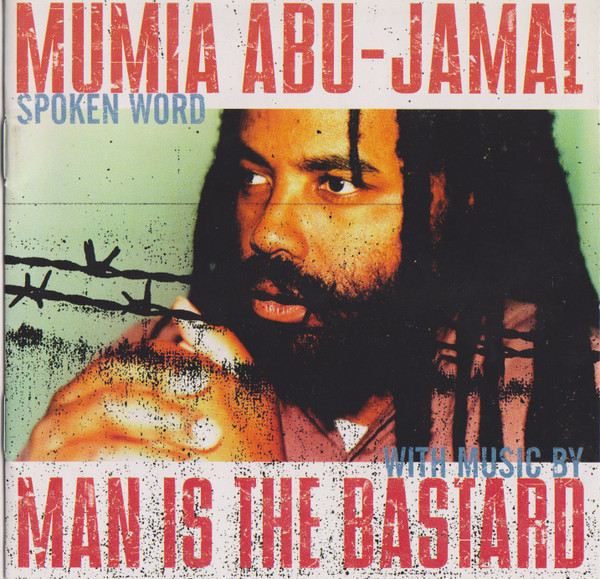
Spoken word (2001)
Spoken word restores language to the body. It reminds us that speech began not as text, but as breath—shaped by rhythm, urgency, and audience. When the written word is restricted, monitored, or delayed, the spoken word becomes immediate resistance. It moves faster than censorship and carries emotion that cannot be redacted.
In confinement, voice assumes heightened significance. It is one of the few remaining tools that can cross barriers intact. Tone, cadence, and pause communicate what footnotes cannot. The spoken word does not ask permission to exist; it asserts presence in real time. To speak is to refuse disappearance.
Unlike polished discourse, spoken word tolerates rough edges. It allows anger, irony, grief, and clarity to coexist without resolution. This refusal to sanitize experience unsettles systems that rely on calm abstraction. When injustice is spoken plainly, without euphemism, it becomes harder to ignore and impossible to mishear.
The power of spoken word lies in its relational nature. It assumes a listener. It creates community even when speaker and audience are separated by walls, distance, or circumstance. In this exchange, isolation fractures. The listener becomes witness, and witnessing becomes responsibility.
Here, language is not ornamental—it is functional. It names what is obscured. It connects events rendered separate. It transforms analysis into something felt, not merely understood. Spoken word insists that truth must be heard as well as known.
What endures is not volume, but clarity. Not performance, but precision. The voice carries history, struggle, and memory forward, refusing the silence that power depends upon. In a society saturated with noise, spoken word cuts through by meaning what it says.
Spoken Word affirms that as long as a voice remains, confinement is incomplete. Speech becomes survival. Sound becomes record. And the act of speaking—plainly, deliberately, and without apology—becomes a declaration that even here, thought lives.