
This paper examines the paradoxical cost of excellence within systems engineered for comfort, conformity, and emotional equilibrium. It argues that outliers—those who exceed, disrupt, or refuse normative limitations—are often treated not as assets but as implicit indictments of collective stagnation. Through psychological, sociological, and institutional analysis, the work demonstrates how mediocrity, when normalized, becomes prosecutorial: pathologizing competence, disciplining distinction, and reframing exceptionalism as deviance. The paper reframes the outlier not as a social anomaly but as
a diagnostic instrument, exposing the hidden fragilities of cultural systems resistant to growth. Ultimately, it contends that the burden of distinction lies not in superiority, but in surviving the hostility of environments threatened by excellence.
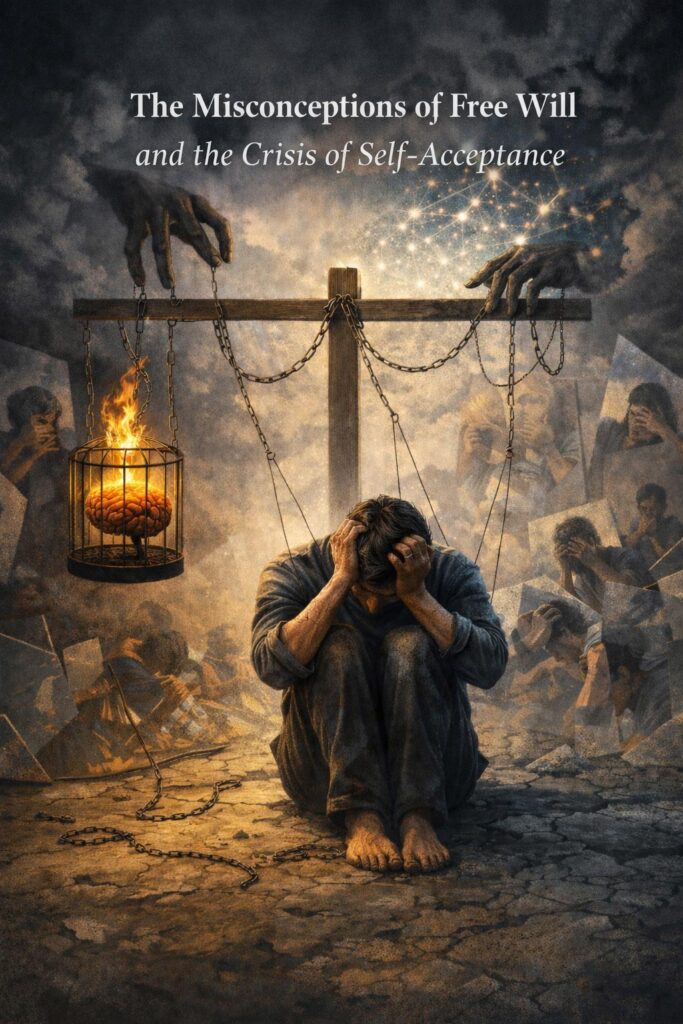
This paper interrogates the modern failure to reconcile self-acceptance with authentic moral agency. Rejecting simplistic narratives of autonomy, it explores how distorted understandings of free will—shaped by shame, trauma, and social coercion—undermine genuine self-knowledge and responsibility. Drawing from psychological theory, moral philosophy, and scriptural insight, the work argues that self-acceptance is not passive resignation but a prerequisite for ethical action. Without it, free will collapses into performative compliance or self-deception. The paper advances a disciplined framework in which self-acceptance functions as the stabilizing condition for freedom, restoring agency not through denial of constraint, but through sober recognition of one’s nature, limits, and obligations.
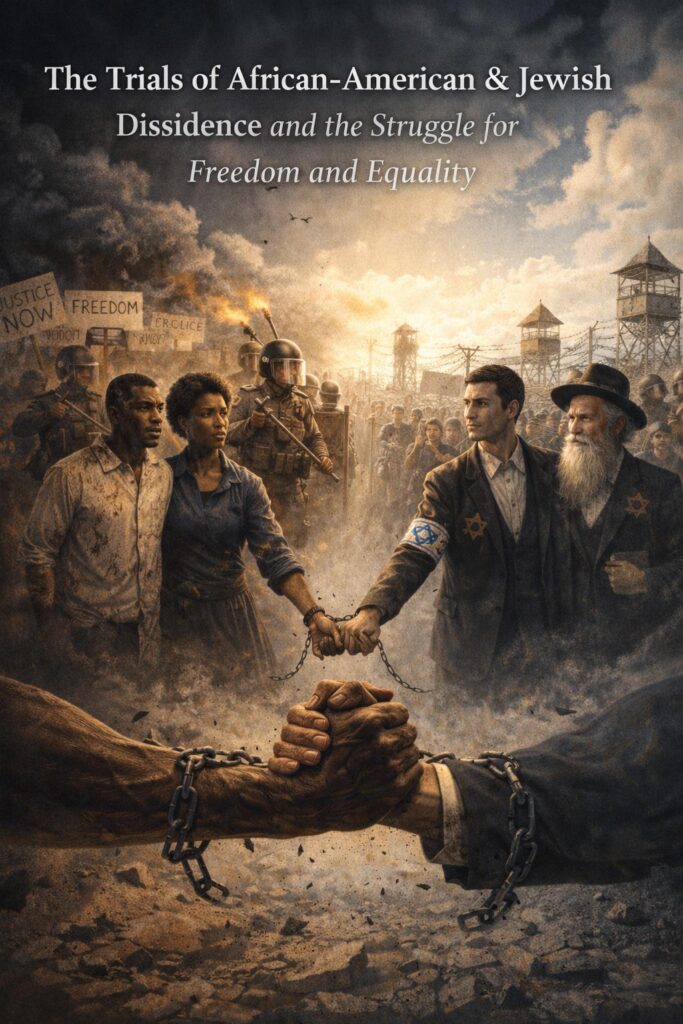
This paper offers a comparative analysis of African-American and Jewish historical dissidence, examining how both communities have been uniquely targeted when asserting moral, intellectual, or political autonomy. It traces the recurrent pattern by which dissent is reframed as threat, loyalty is questioned, and survival itself becomes an act of resistance. Through legal, historical, and ethical analysis, the work explores how these traditions of dissent forged parallel strategies of endurance, covenantal responsibility, and intellectual defiance. Rather than presenting victimhood narratives, the paper centers disciplined resistance—arguing that freedom is preserved not through assimilation or appeasement, but through principled refusal to surrender identity under pressure. The struggle for equality, it concludes, is inseparable from the willingness to endure accusation without forfeiting truth.
