
Condamne au Silence (2001)
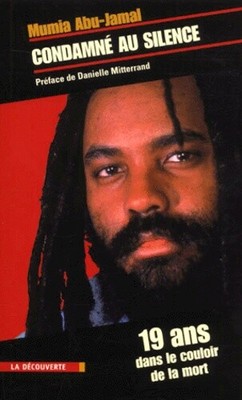
Condamne au Silence (2001)
Silence is not the absence of sound; it is the presence of restraint. To be condemned to silence is not merely to be muted, but to be systematically removed from the conversation that defines reality. Power understands this well. It does not always need to destroy a voice—only to isolate it, delay it, or render it unintelligible to those who might listen.
Condemnation operates on multiple levels. There is the legal sentence, precise and bureaucratic. And there is the communicative sentence—the effort to sever a person from public life, from dialogue, from influence. When speech is treated as a threat, it reveals how fragile authority truly is.
Translation becomes a political act. When words cross borders and languages, they escape the jurisdiction that sought to contain them. What was meant to remain local becomes global. What was framed as singular becomes systemic. In this movement, silence fractures. International attention exposes the fiction that injustice is isolated or exceptional.
From confinement, clarity emerges not through volume, but persistence. Each attempt to suppress speech sharpens its meaning. Each barrier confirms its necessity. Silence imposed from above produces an echo below—one that travels through solidarity, memory, and shared struggle.
The violence addressed here is quiet, procedural, and deeply normalized. It unfolds through paperwork, postponed hearings, and controlled access to communication. This is repression without spectacle, designed to exhaust rather than shock. Yet exhaustion does not equal consent.
What endures is the refusal to internalize silence. To speak—even intermittently, even through intermediaries—is to reject erasure. It affirms that a life cannot be reduced to a file, nor a mind to a sentence. Speech, once released, cannot be fully retrieved.
Condamné au Silence insists that silence is never neutral. It is chosen, enforced, and maintained. To break it is not simply to speak, but to expose the mechanisms that rely on quiet compliance. In that exposure, voice becomes more than expression—it becomes proof of existence.