
175 Progress Drive (2001)
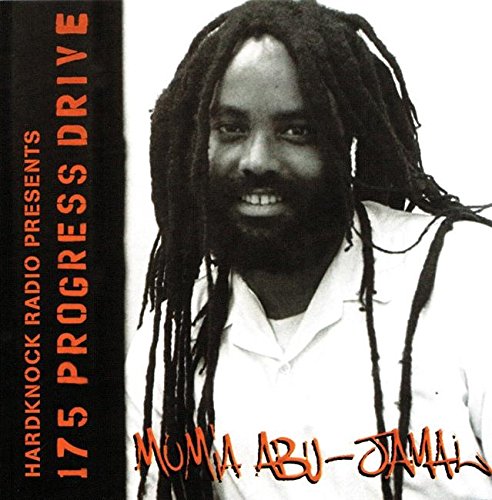
175 Progress Drive (2001)
Radio collapses distance. It carries breath through walls, across bars, past gates meant to isolate and mute. From confinement, the voice does what the body cannot: move freely. It enters kitchens, cars, classrooms—spaces where official narratives rarely expect interruption. In this way, sound becomes a form of trespass, crossing borders power worked hard to fortify.
175 Progress Drive is more than an address; it is a contradiction. A place named for advancement that exists to halt lives. The language of progress sits uneasily beside cages, routines, and endless waiting. Yet from within this contradiction emerges clarity. When freedom is denied materially, it must be asserted intellectually. The voice sharpens because it has to.
Radio resists erasure through immediacy. Unlike print, it cannot be easily ignored or quietly buried. It speaks in real time, demanding presence. For those rendered invisible by incarceration, this presence is radical. To be heard is to reassert existence against a system that depends on disappearance.
The broadcasts trace connections that dominant media refuses to make. Policing is linked to policy. Prisons are linked to profit. Injustice is revealed not as accident, but as architecture. These are not rants; they are records—archival acts meant to survive distortion and forgetting.
What unsettles listeners is the calm precision of the analysis. There is no need for exaggeration when reality is already severe. The violence discussed is not spectacular; it is normalized. It unfolds through paperwork, budgets, and laws passed far from the communities they devastate. Radio makes this violence audible.
Community radio, unlike corporate media, does not pretend neutrality. It chooses sides openly—on the side of the unheard, the over-policed, the disposable. This honesty threatens power more than any shouted slogan. It refuses the false balance that treats oppression and resistance as equivalent positions.
175 Progress Drive affirms that voice is not a privilege granted by institutions, but a human faculty exercised despite them. Against confinement, it offers connection. Against silence, it offers testimony. Against progress defined by exclusion, it insists on a different measure—one rooted in dignity, memory, and collective awareness.